Each Friday we travel back in time, one year at a time, for a look at some of the cultural goodies that may appear closer than they really are in The Rear-View Mirror. Join us on our weekly journey into the past!
My first Wes Anderson movie was The Royal Tenenbaums – and I wasn’t a big fan of it. To some extent that may be because I wasn’t yet used to Anderson’s particular cinematic idiom, but at least as much as that I think it’s that Anderson himself was still looking for that idiom. There’s a lot in the film that looks instantly familiar, but my main problem was the way it tried to blend the arch stylistics and Andersonian characters we’ve become familiar with on the one side and poignant drama on the other. There’s one scene in particular, a suicide attempt late in the film, that felt to me like Anderson was flipping a switch: one moment the film’s characters were cartoons, the next we were supposed to take them seriously as characters with depth and genuine suffering. I sat there seeing what Anderson was aiming at, and the scene is effective in itself – but I wasn’t buying it.
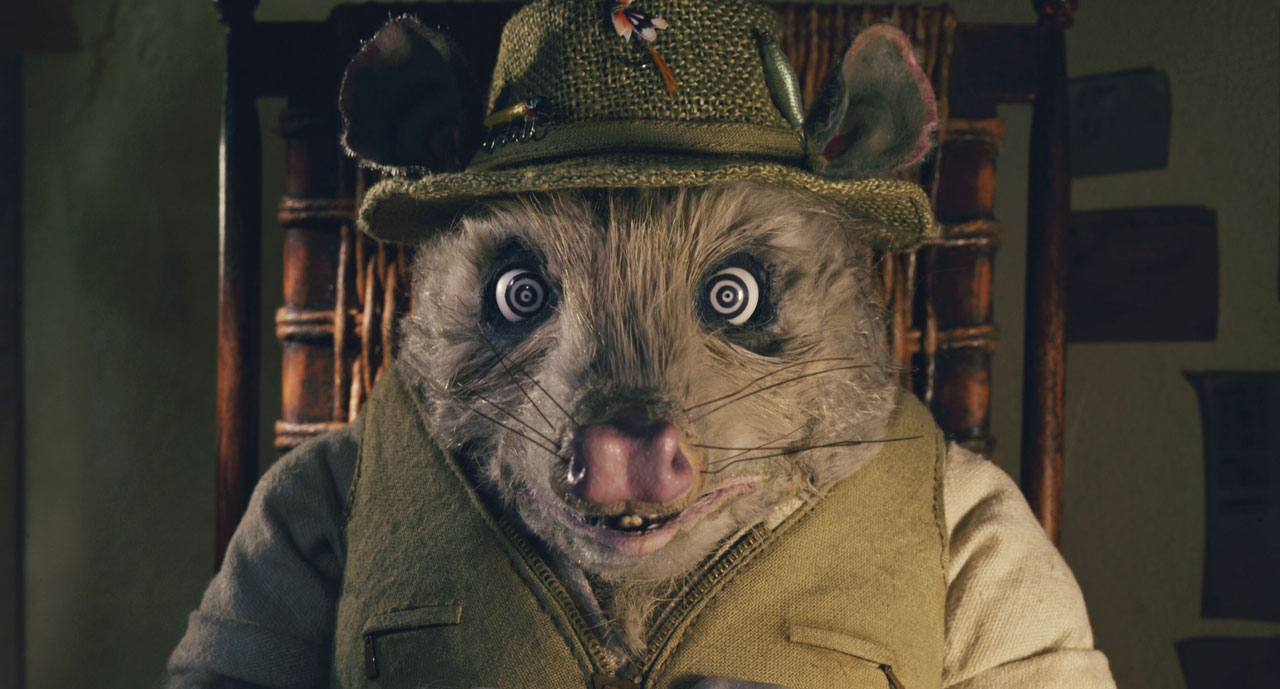
 Gosh, there is no really bad Mission: Impossible movie, and no really good one, is there? Let me count the ways: the first one, Mission: Impossible (1996), has the courage to kill most of its illustrous cast quite early on, and it has that famous scene wherein a helicopter is chasing a high speed train through a tunnel. That sequence is so preposterously over the top that the rest of the movie sort feels muted in comparison. And if you can make sense of the plot, then you are a better person than me.


 Looks like A24, founded in 2012 and quickly becoming a major player in movie distribution, is pulling quality horror flicks out of a hat with disquieting regularity: they brought us
  Join us for another A Damn Fine Cup of Culture podcast, in which we have a look at the indie horror and sci-fi films of Justin Benson and Aaron Moorhead, from the huis-clos Resolution via Spring‘s dreamy summer body horror romance to cosmic horror/sibling drama The Endless. On the way, we also stop by 1970s New York with The Deuce and dark, original genre mix Colossal, in which Anne Hathaway inadvertently destroys much of downtown Seoul – hey, it’s happened to all of us.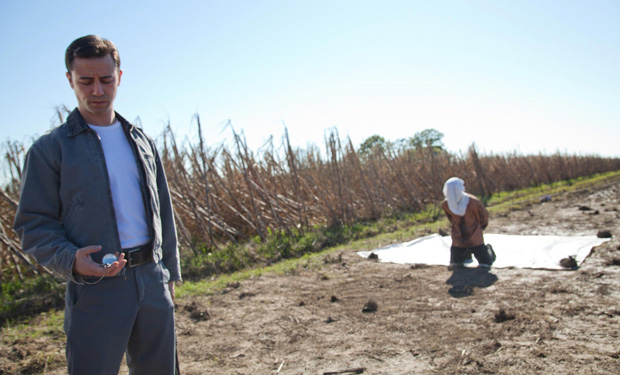

 Sicario: Day of the Soldado is a textbook example of diminishing returns. What is missing most of all is Kate Macer, the Emily Blunt character from Denis Villeneuve’s original Sicario (2015), who provided us with an entry into the seriously skewed ethics of clandestine missions across the US-Mexican border in the unwinnable war on drugs. Also missing is Roger Deakins’ excellent camera work. Soldado, again written by Taylor Sheridan, and directed by Stefano Sollima, an Italian director with experience in crime stories (the Gomorra series), focuses instead on the two characters we already know: Matt Graver (Josh Brolin), the US government’s go-to guy for unsavoury operations and unusual footwear, and Alejandro (Benicio del Toro), the vengeful hired gun. This time round, the US government finds that terrorists disguised as Mexicans have crossed the border. That makes the crossing a terrorist act in their eyes, and so they are allowed to retaliate. See what I mean by skewed ethics?
