12 Oscar nominations, a budget of $135 million and one very angry bear: Alejandro González Iñárritu’s The Revenant is the revenge flick that’s likely to continue being the talk of this award season. Reason enough to discuss the film one-on-one, like a better behaved Leonardo di Caprio and Tom Hardy, though with less grunting and accents that are easier to comprehend.
Movies

50 Shades of Lepidopterology
Watching The Duke of Burgundy was a pleasure, albeit an unexpected one: for one thing, I didn’t expect an all-female film depicting a sado-masochistic relationship between two lepidopterologists to be so relatable, for another I didn’t expect to laugh out loud at a sly yet strangely sweet joke concerning urophilia. Berberian Sound Studio, the previous film by director-writer Peter Strickland, intrigued and unsettled me in equal measure, but at the same time it didn’t much engage me emotionally. In spite of a typically strong performance by Toby Jones, it struck me primarily as an exercise in style, atmosphere and genre – and one, at that, whose intended audience didn’t really include me, as my knowledge of Giallo is slight.

Twin sons, one mother or another
 Although Goodnight Mommy is not rich in jump scares, it is very much a horror flick. Comparisons to Haneke’s earlier work, especially to Funny Games, are in order – the two first-time directors Veronika Franz and Severin Fiala are Austrian, like Haneke. Veronika Franz is also the co-writer of all of Ulrich Seidl’s screenplays, whose Paradise trilogy I’ve reviewed elsewhere. That should give you a clue as to the movie’s atmosphere, although there is not much of Seidl’s symmetrical rigidity here.
Money is funny. Funny how?
 If I had known Adam McKay was the idea man, writer and director behind Will Ferrell vehicles such as the Anchorman movies or Step Brothers or Talladega Nights, or even the writer of Ant-Man, I might have avoided The Big Short. I’m glad I saw it, not least because it covers similar territory as Margin Call. The Big Short is McKay’s first movie as a director without Ferrell, and maybe more serious than his previous work. It’s about the credit and housing finance collapse in 2007. Yes, it’s a comedy about greed, cluelessness, unemployment, financial ruin, indifference and death. It’s not flawless, but it’s witty and fast-paced, and it has an ensemble cast that speaks for itself.
Carol for Christmas
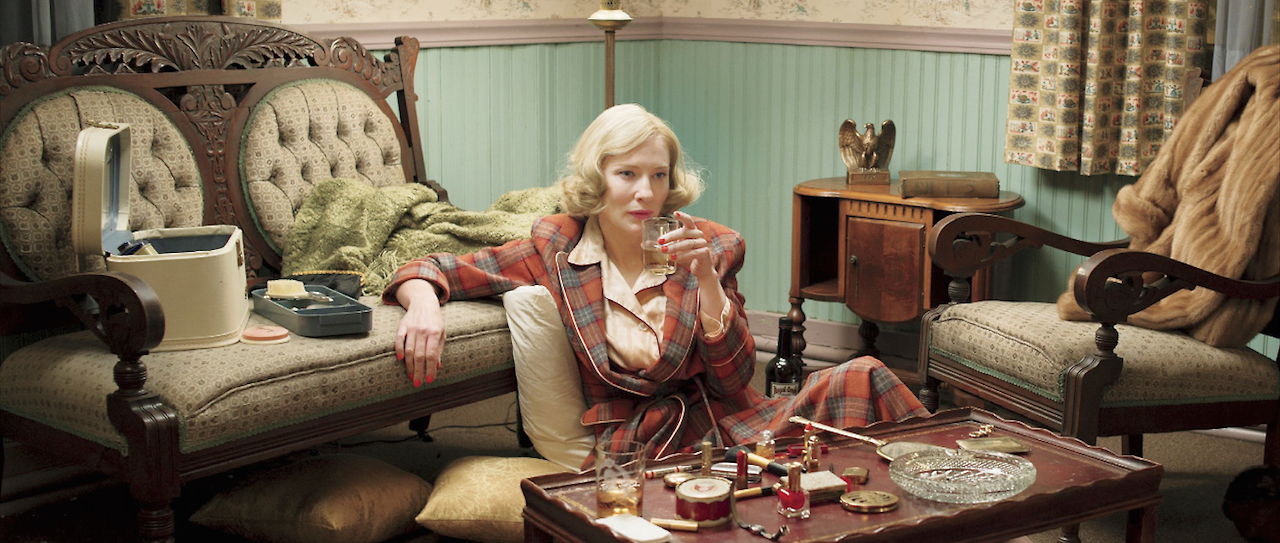
Todd Haynes’ Carol is a great way to end your movie year, or to start the new one. The movie works well on many levels, the most noteworthy of which is that Cate Blanchett’s role as the title character seems to have been written for her. It wasn’t – the movie is based on Patricia Highsmith’s novel The Price of Salt from 1952, but I couldn’t see anybody else in that role.
Force of Habit
“Remember when…?” is the lowest form of conversation.
– Tony Soprano
Now, I’m far from considering Anthony John Soprano the touchstone of film criticism, but I kept thinking of this particular dictum of his throughout much of Star Wars: The Force Awakens. Don’t get me wrong: in almost every respect I consider the movie better filmmaking than the prequels.* J.J. Abrams knows how to stage zippy, effects-heavy action with enough personality so it doesn’t just feel like a VFX showreel. The performances are good throughout, with Harrison Ford bringing more of his erstwhile charisma to the screen than he has in a long time.

Enter the Zone
Ever since I spent a few months in Glasgow in 2000 and fell in love with the Glasgow Film Theatre, I’ve been hoping that a good repertory cinema would open a bit closer to home. Last autumn, that wish came true, when a local cinema that before had mostly shown B movies along the lines of The Core and The Extraordinary League of Gentlemen was refurnished and turned into a cinematic time capsule. They show some current arthouse fare at the Kino Rex Bern, but mostly they show classics, whether American, European or otherwise, and organise series on particular themes or filmmakers.

The Ghost of Spectres Past
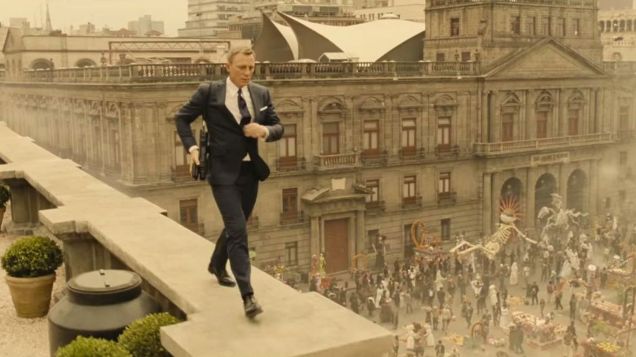
Spectre isn’t a bad film. It is competently made on most counts, though admittedly this is damning it with faint praise, and it has a fantastic pre-credit sequence that’s up there with the best of them. Nevertheless, Spectre is a huge disappointment – perhaps even more so than Quantum of Solace. Where Quantum suffered from Marc Forster not being very good at directing action, Spectre suffers most from writers that don’t really understand what exactly they want the film to do and, worse, not realising that Skyfall had done most of these things already, and done them well.
Making for a Happy Medium
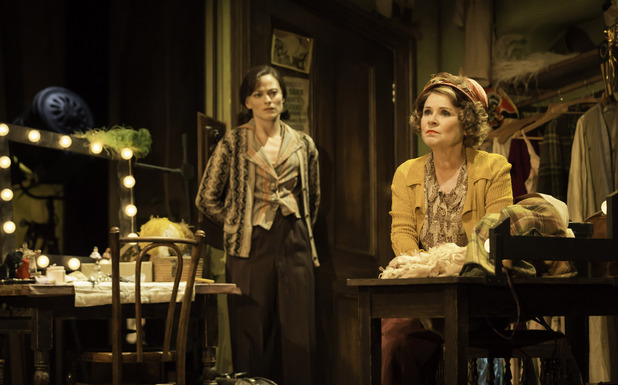
While it should be self-evident that different media allow for different kinds of storytelling and different forms of expression, it’s good to be reminded of this in enjoyable ways in this Age of Adaptation, where so many films, TV series, games are adaptations of material in other media. Last week I saw the London production of Gypsy, which was brilliant, startling – and a great example of a story that works best on stage. We’d previously seen the ’60s film version of Gypsy, which works well in its own right, but it’s on the stage that the story came truly alive.
iMac billionaire
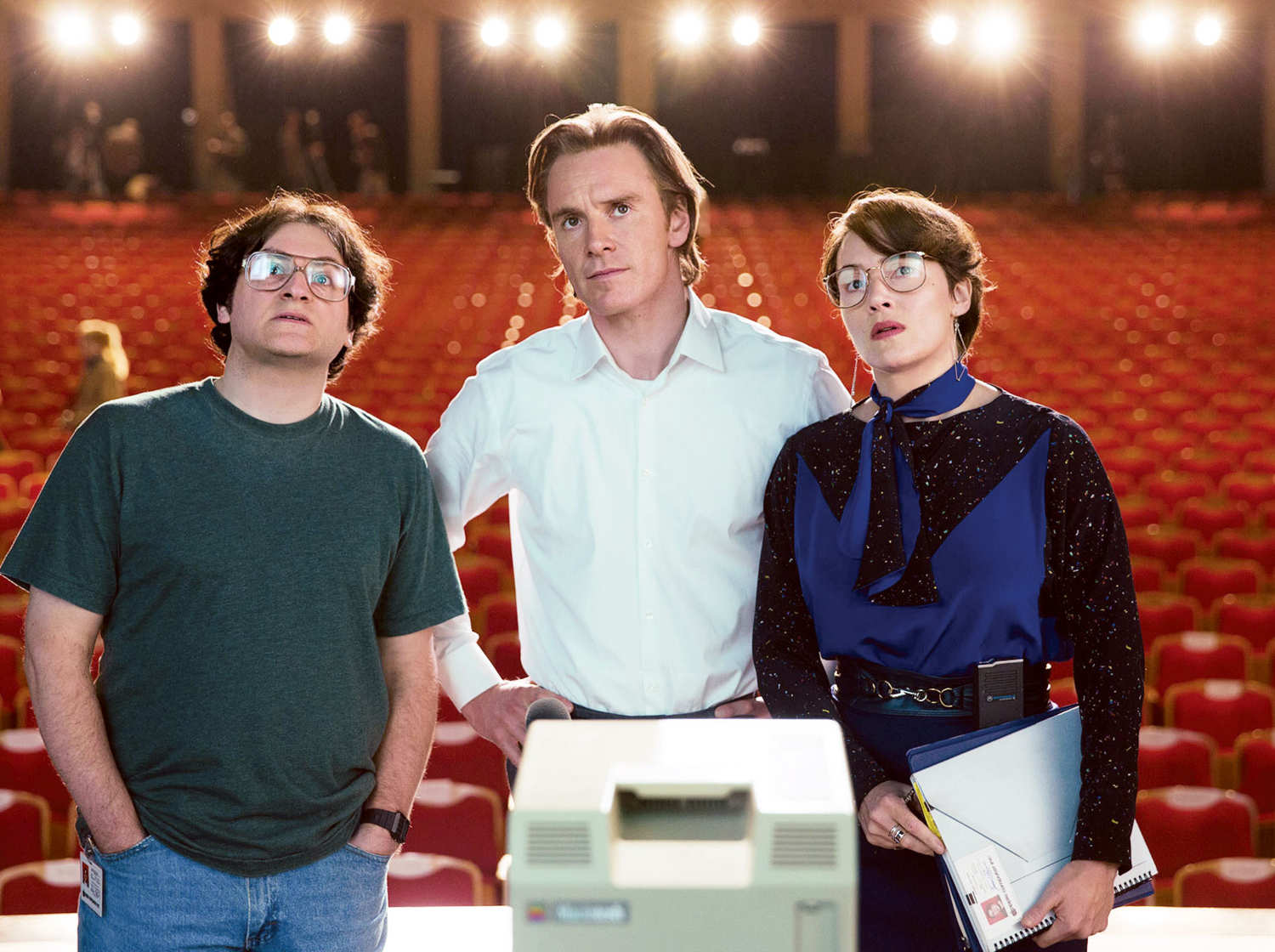
It’s rather surprising to realize that Steve Jobs is a Danny Boyle movie. Boyle’s trademark is kinetic energy – his camera wants to move, to jump, pan and zoom and sometimes go wild (remember how Trainspotting hit the ground running all those years ago?). His biopic Steve Jobs, however, shows you two hours’ worth of talking heads. That is what you get when the screenplay is by Aaron Sorkin.