Welcome to Six Damn Fine Degrees. These instalments will be inspired by the idea of six degrees of separation in the loosest sense. The only rule: it connects – in some way – to the previous instalment. So come join us on our weekly foray into interconnectedness!
Welcome to Six Damn Fine Degrees. These instalments will be inspired by the idea of six degrees of separation in the loosest sense. The only rule: it connects – in some way – to the previous instalment. So come join us on our weekly foray into interconnectedness.
My beloved and me got tired of the cold winter days and dark December nights and fled to Kenya. We got what we wanted: the ocean, a warm, healthy climate, and all the excursions and outings we could handle. On one safari, we took a break at some farm and were invited by the employees to have a seat on some benches. I thought that we would be told about the flora and fauna, but no such luck. We realized that we were sitting in front of a TV screen, we heard a generated cough into life, the set started to flicker and display some logo, and we gathered with some astonishment that now was movie time.
Welcome to Six Damn Fine Degrees. These instalments will be inspired by the idea of six degrees of separation in the loosest sense. The only rule: it connects – in some way – to the previous instalment. So come join us on our weekly foray into interconnectedness.
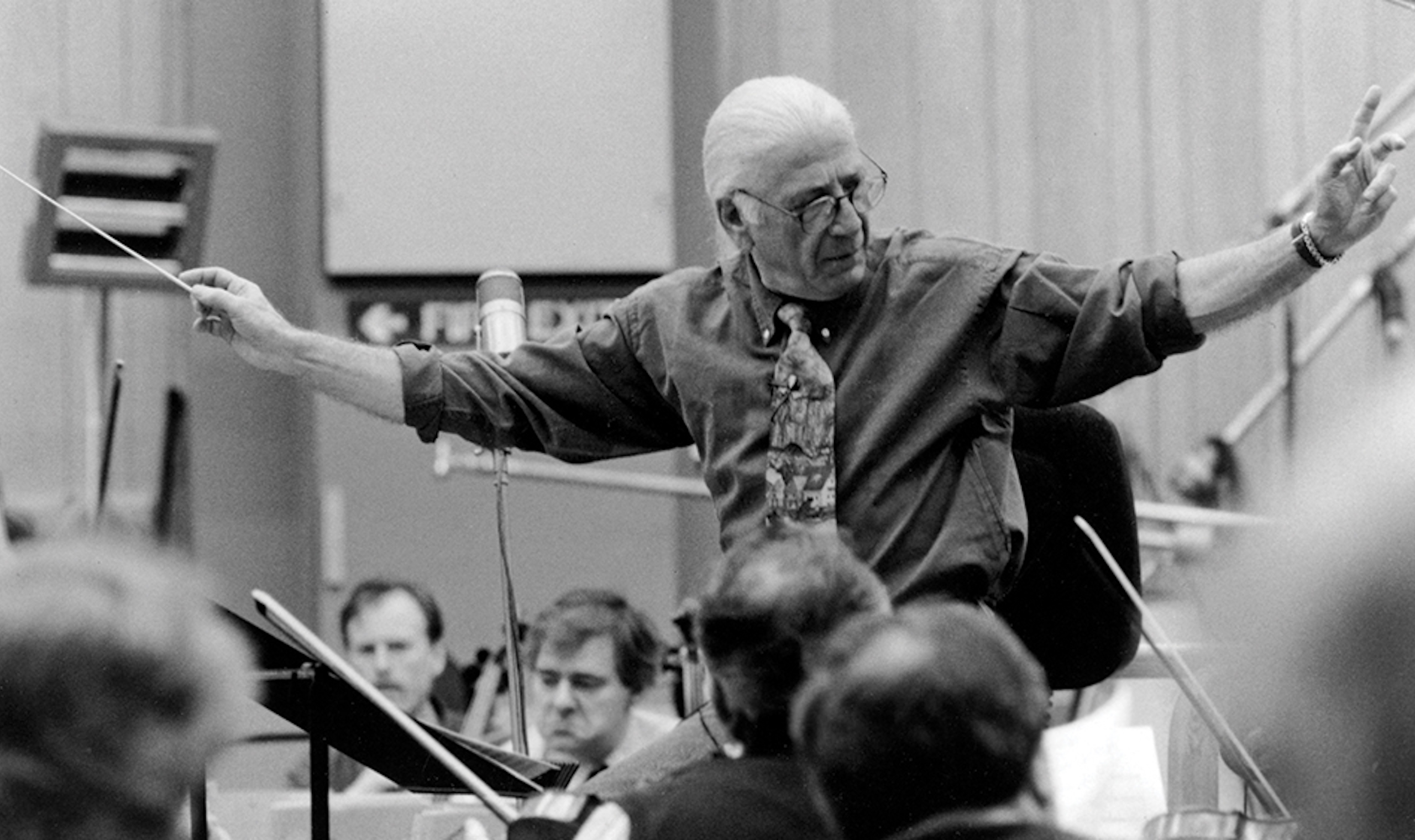
Following up on Eric’s deep space exploration of the not-so-beloved Star Trek – The Motion Picture, I was reminded of how much of what we are supposed to believe and feel about the film’s improbable plot and presumed depth is achieved by its soundtrack: the grandeur of the USS Enterprise, the viciousness of Klingon aggression or the prolonged mystery surrounding V’ger are all greatly heightened and intensified by that one composer who more than once saved Star Trek (and Hollywood!) with his music: Jerry Goldsmith (1929-2004).
After more than two years, we’ve finally arrived at the end. This is the very last Rear-View Mirror. And what do you see when you look into the mirror?
After more than two years, we’ve finally ended up in the year 1900. Our bumpy ride is nearing its end. What will the Rear-View Mirror present us with when we look at it this week?
As you will soon see, this is a special instalment of the Rear-View Mirror. And to celebrate that big, scary, exciting number, we’ve asked several of our contributors to write about 1900. You’ll find the results below the “Read More” button, but let me already whet your appetite: coming your way are World Fairs and films with actual, honest-to-god sound, ocean pianists and historical epics, maps of Europe and Swiss musicians and actors. So, curtains up! and enjoy our trip back to 1900!
Join us every week for a trip into the weird and wonderful world of trailers. Whether it’s the first teaser for the latest installment in your favourite franchise, an obscure preview for a strange indie darling, whether it’s good, bad, ugly or just plain weird – your favourite pop culture baristas are there to tell you what they think.
Each Friday we travel back in time, one year at a time, for a look at some of the cultural goodies that may appear closer than they really are in The Rear-View Mirror. Join us on our weekly journey into the past!
You don’t have to be into movies all that much to have been scared by Bernard Herrmann (1911-1975). He started composing when still a teenager and also worked as an orchestrator and conductor later on. One of his first notable contributions was for Orson Welles’ original 1938 broadcast of War of the Worlds. Hermann’s music must have had a hand in the fact that so many listeners thought that the Martians were really coming.
Each Friday we travel back in time, one year at a time, for a look at some of the cultural goodies that may appear closer than they really are in The Rear-View Mirror. Join us on our weekly journey into the past!
I was in Berlin last summer, getting my bearings back, and I walked past a bar where someone played a live version of Nina Simone’s take on Sinnerman. Honestly, my friends, there cannot be many more songs such as this one getting under my skin like that. She wants to make light because the rhythm of the song wants to sound so jolly, and it does, but then that voice comes in and puts a damper on the cheer, warning about what is going to happen, turning the rhythm from jolly to urgent. And yet there is hope somewhere, not much, but just enough. Continue reading →
Each Friday we travel back in time, one year at a time, for a look at some of the cultural goodies that may appear closer than they really are in The Rear-View Mirror. Join us on our weekly journey into the past!
The year 1967 stands out for a number of reasons.
It was a powerful year for movies: the world got the likes of Bonnie & Clyde, In The Heat of the Night and Guess Who’s Coming to Dinner blowing open the doors on what was previously considered taboo in the US.
It was a powerful year for history: it was the year James Bedford died. It was also the year James Bedford became the first man in history to be cryonically preserved. It was the year the United States stepped up the war in Vietnam. It was also the year that, in the middle of race riots and violence, the world seemed to unite for a single moment in opposition to Vietnam, and the Summer of Love was born.
Each Friday we travel back in time, one year at a time, for a look at some of the cultural goodies that may appear closer than they really are in The Rear-View Mirror. Join us on our weekly journey into the past!
Bruce Springsteen seems to be a part the bedrock of the music business, but he is the first to admit that he is a fraud. He has never held down a working-class job in his life, he has never seen a factory from the inside. (If you don’t believe me, then go watch Springsteen on Broadway, currently on Netflix.) He is one of the greatest posers ever. And yet nobody sees him that way because he has unearthed something, a kind of poetic common denominator, an idealised, romanticised version of the USA, or of working class life, or of being young – maybe a bit of everything. There is a sense of wanting to get out of this town that he caters to with his music. Or why do you think his biggest hit is called Born To Run?



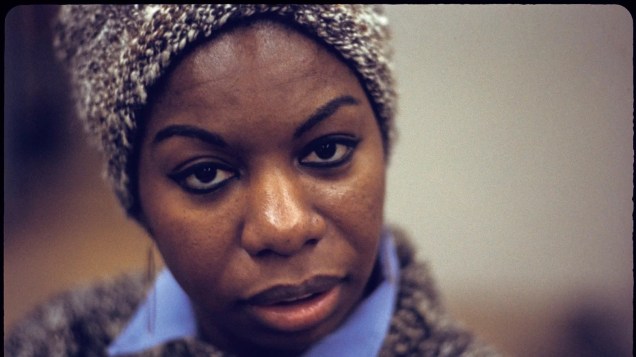 I was in Berlin last summer, getting my bearings back, and I walked past a bar where someone played a live version of Nina Simone’s take on Sinnerman. Honestly, my friends, there cannot be many more songs such as this one getting under my skin like that. She wants to make light because the rhythm of the song wants to sound so jolly, and it does, but then that voice comes in and puts a damper on the cheer, warning about what is going to happen, turning the rhythm from jolly to urgent. And yet there is hope somewhere, not much, but just enough.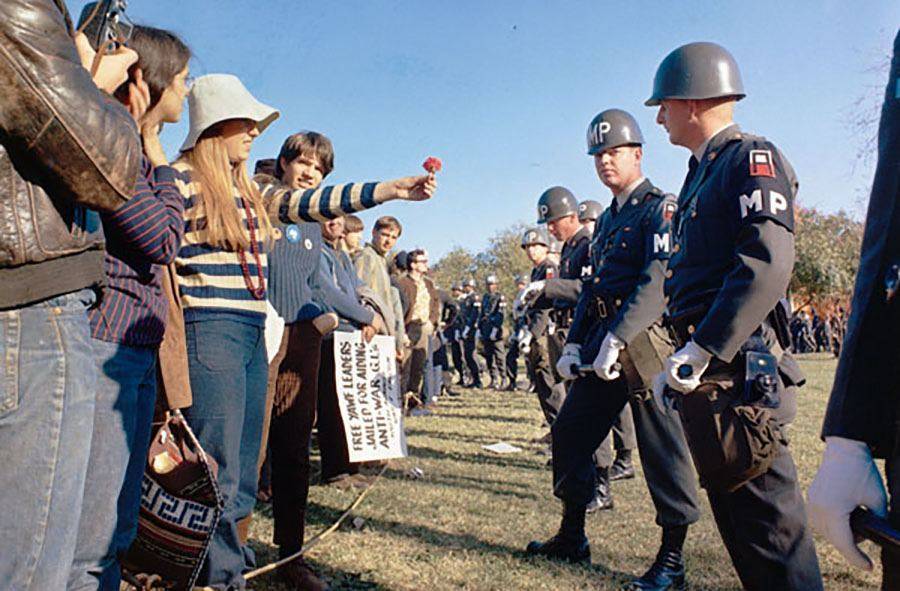

 A Damn Fine Cup of Culture