Six Damn Fine Degrees #73: Robert M. Pirsig’s Zen and the Art of Motorcycle Maintenance

Welcome to Six Damn Fine Degrees. These instalments will be inspired by the idea of six degrees of separation in the loosest sense. The only rule: it connects – in some way – to the previous instalment. So come join us on our weekly foray into interconnectedness!

Philosophy? Honestly? Old dudes with beards? Nope, not for me. That was, until I picked up a German soft-cover edition of Robert M. Pirsig’s Zen and the Art of Motorcycle Maintenance (1974). The cover looked good, promising some sort of roadside adventure, the blurb sounded intriguing. Pretty far away from dull old philosophical babbling, I thought.

The book is about Pirsig’s travels by motorcycle with his son Chris. It took me long to realise that the other alter ego in the book, undergoing electroconvulsive therapy because of his schizophrenia, was of course also Pirsig himself. There are some philosophical moments in the book, but by and large, we are witness to the road trip and to Pirsig’s mental illness.

Continue reading →
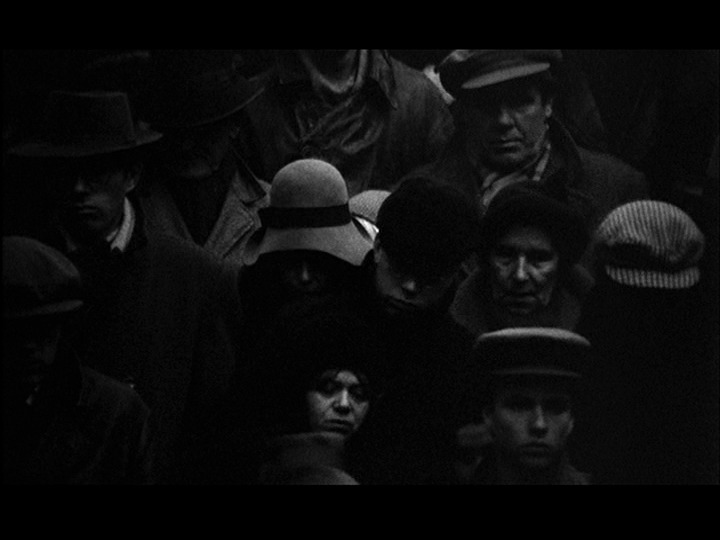
Criterion Corner: Valerie and Her Week of Wonders (#761)

Surrealism is tricky. Some dislike it altogether, finding it too random. Myself, I respond to some of it (as the name of this blog may suggest, I’m not altogether averse to a nice slice of Lynch), but there must be an underlying form, a sense that there is some form or logic at play, even if it is the dream logic of, say, Eraserhead or Mulholland Drive. As soon as it veers into the formlessness of Dada, I tend to disengage.

Valerie and Her Week of Wonders, by the Czechoslovak director Jaromil Jireš, leans more towards the former; its surrealism is definitely more dreamlike and Freudian than it is arbitrary, and most of its images aren’t all too difficult to interpret: blood falling on daisies signifies the onset of the protagonist’s first period, vampires hungering for Valerie’s blood and its power to keep them youthful represent sexual desire and the lust of the old for the young. Valerie and Her Week of Wonders isn’t hard to read – yet its tone, somewhere between uncanny and camp, is quite effective at times. It is the kind of film that works better the less it is interpreted, perhaps, because interpretation reduces it into shopworn tropes of Freudian analysis.

Also, sadly, it is very easily reduced to a sexual fantasy whose object of desire is a thirteen-year-old girl.

Continue reading →

I’ll be in my trailer… watching trailers: The moustaches have it

Join us every week for a trip into the weird and wonderful world of trailers. Whether it’s the first teaser for the latest instalment in your favourite franchise, an obscure preview for a strange indie darling, whether it’s good, bad, ugly or just plain weird – your favourite pop culture baristas are there to tell you what they think.

Is there a correct version of Hercule Poirot? And, if so – who is it? If you haven’t already done so, make sure to check out Alan’s Six Damn Fine Degrees post on just this question!

Continue reading →

A Damn Fine Cup of Culture Podcast #55: Based on a true story

What is your reaction when you read those words? Is a story better if it actually, really happened? Or are all stories partly fiction, partly true? Where does truth lie in fiction, and where does a story begin to turn into a pack of lies? Join Julie, Sam and Matt as they discuss these questions on Oliver Stone’s conspiracy epic JFK (1991), the four-part true crime/black dramedy hybrid Landscapers (2021) and Sam Mendes’ 1917 (2019). What are the ethics of telling stories based on actual events? Can fiction get at deeper truths? What are the lines each of us draws when it comes to tales based on true stories?

Continue reading →

Six Damn Fine Degrees #72: The Wrong Poirot

Welcome to Six Damn Fine Degrees. These instalments will be inspired by the idea of six degrees of separation in the loosest sense. The only rule: it connects – in some way – to the previous instalment. So come join us on our weekly foray into interconnectedness!

In the early ‘70s, a British film studio hoping to make a global success decided to tap into one of the nation’s most famous exports: Agatha Christie. When it came to which of her works they would adapt, they opted for Murder On The Orient Express – a story that would allow for an exotic (if relatively cheap) location and a large cast that could be filled with bankable stars. Audiences, they hoped, would head to the cinemas thanks to the name of the author and the likes of Sean Connery, Lauren Bacall, Ingrid Bergman and Anthony Perkins.

The formula worked. The film was a huge hit, a commercial triumph topping the US box office. It also enjoyed great reviews, with critics praising Sidney Lumet’s stately direction and the strength of the adaptation. Indeed both audiences and critics seemed to mention just one flaw with the film: Albert Finney as Poirot.

Continue reading →

I’ll be in my trailer… watching trailers: The Roaring Rories

Join us every week for a trip into the weird and wonderful world of trailers. Whether it’s the first teaser for the latest instalment in your favourite franchise, an obscure preview for a strange indie darling, whether it’s good, bad, ugly or just plain weird – your favourite pop culture baristas are there to tell you what they think.

On Friday, Julie gave us another one of her deep dives, this time on Agatha Christie and the books she’d set in the desert – which is a perfect opportunity to post the trailer for Death on the Nile. No, not that one. The other one.

Continue reading →

The Compleat Ingmar #31: The Serpent’s Egg (1977)

Get ready for Bergmanception: you know how Woody Allen has long been a big Bergman fan and how many of his films are clearly inspired by Bergman’s? Well, the beginning of The Serpent’s Egg feels a bit like Bergman got Allen and his creative team to create the titles. White writing in a timeless serif font on a black screen, listing the cast and crew, accompanied by jaunty 1920s jazz tune – it’s all there. Except even at his most glib, Allen did not make films as sour as The Serpent’s Egg.

Continue reading →

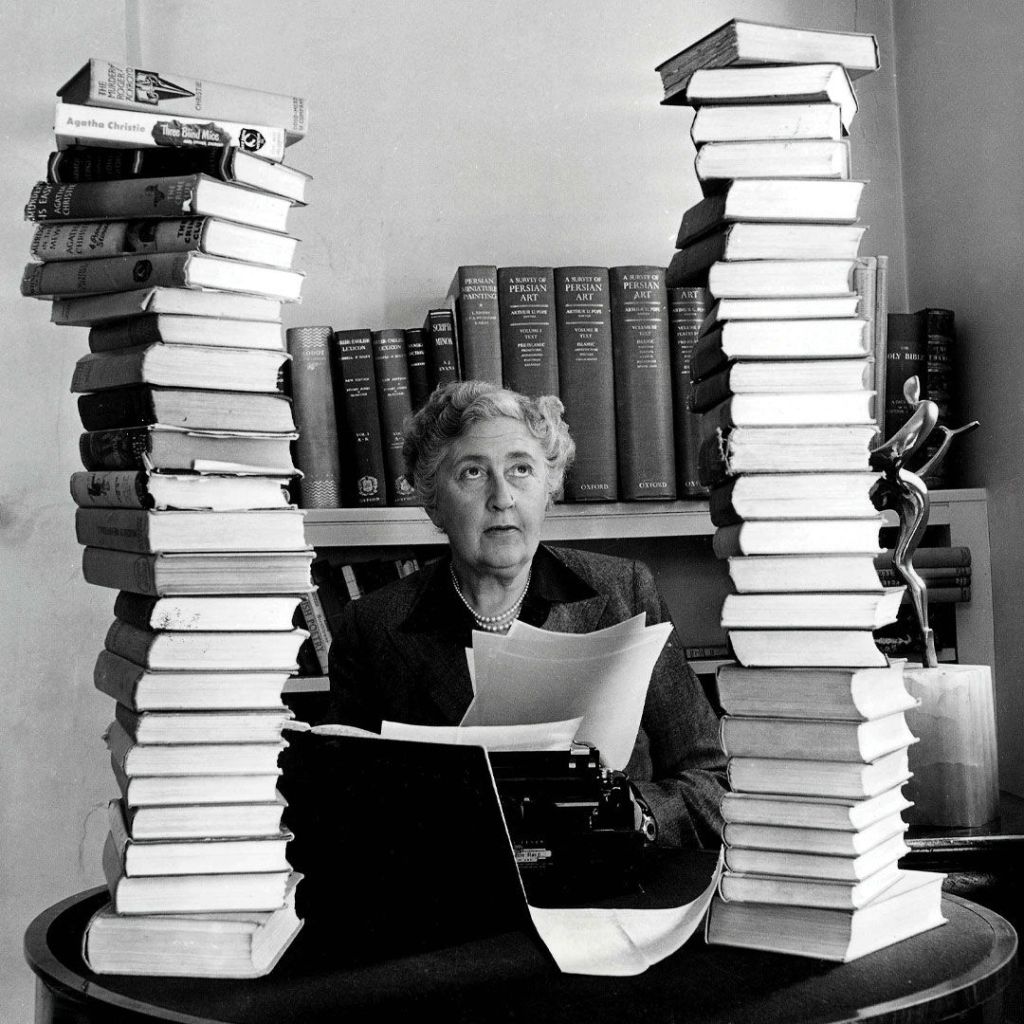
Six Damn Fine Degrees #71: Agatha Christie and the desert

Welcome to Six Damn Fine Degrees. These instalments will be inspired by the idea of six degrees of separation in the loosest sense. The only rule: it connects – in some way – to the previous instalment. So come join us on our weekly foray into interconnectedness!

While Agatha Christie is possibly most famous for her many fictional English villages or mansions or lodges or what have you, my imagination was always drawn to the books she set in the desert. Preferably, though not necessarily, on archaeological digs. Because, although she herself keeps insisting she will not describe any scenery in her books, she has a knack of picking out details which bring these fantastic places to life. The sound of the waterwheel, the flowers, the sparsely furnished accommodations. In Murder in Mesopotamia, a group of archaeologists are working at a dig, very near the fictional town of Hassanieh. And although the plot is one of her weaker ones, the characterizations of the people and the description of their routines seems to evoke a world that just seems more real to me than St Mary Mead or Chipping Cleghorn. The reason for this, as I found out much later, is that they are, in a sense, more real – or rather, they represent Christie’s later years, ones imbued with more affection and gratitude, her second lease on life.

Continue reading →

I’ll be in my trailer… watching trailers: Trains, trains, and more trains

Join us every week for a trip into the weird and wonderful world of trailers. Whether it’s the first teaser for the latest instalment in your favourite franchise, an obscure preview for a strange indie darling, whether it’s good, bad, ugly or just plain weird – your favourite pop culture baristas are there to tell you what they think.

The movies can make us dream about faraway places – and they can make those places something of a disappointment when you finally see them up close and with your own eyes. On Friday, Matt wrote about his disappointment with the Sphinx – but Petra, Jordan was all the more impressive for turning out not to have been a matte painting back when he first saw it in Indiana Jones and the Last Crusade.

Continue reading →

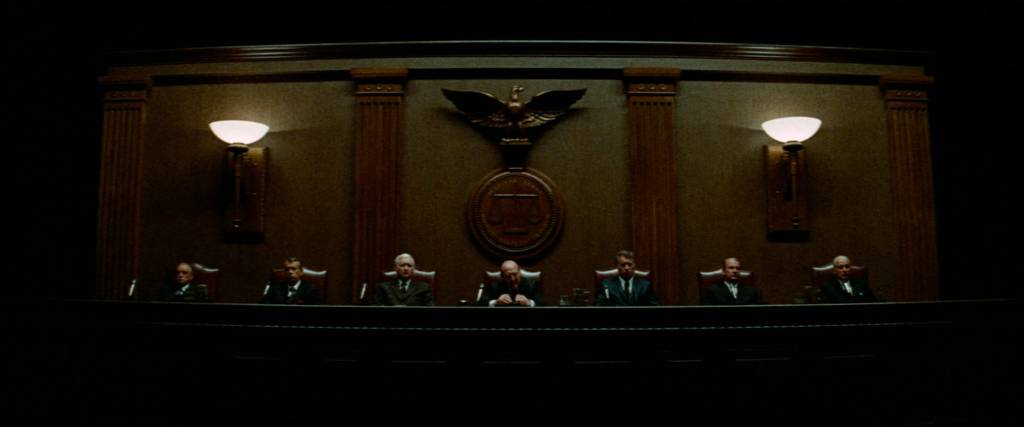
Criterion Corner: The Parallax View (#1064)

There are a number of classic paranoia films made in Hollywood in the 1960s and 1970s. The Manchurian Candidate is one of these, as is Francis Ford Coppola’s The Conversation.

The Parallax View (1974) by Alan J. Pakula clearly belongs on the list as well. It’s a classic, it’s memorable, it’s iconic. It has its finger on the pulse of a country and a culture where politics and murder have been intertwined for more than a century.

And sadly, I like it a lot less than those films.

Continue reading →