Each Friday we travel back in time, one year at a time, for a look at some of the cultural goodies that may appear closer than they really are in The Rear-View Mirror. Join us on our weekly journey into the past!
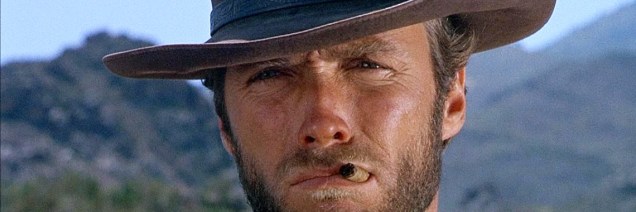
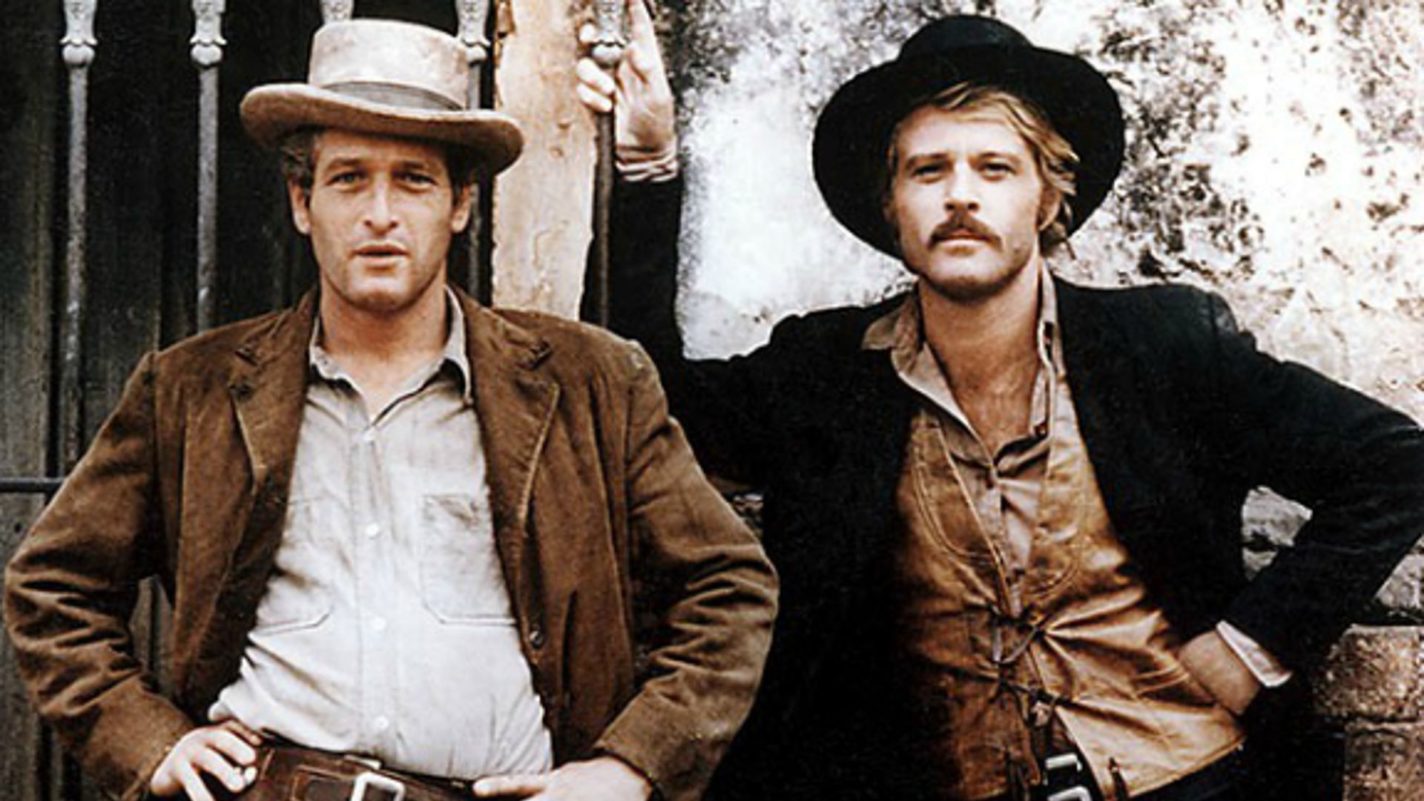
Please don’t think less of me, but my introduction to Westerns was Sergio Leone’s The Good, the Bad and the Ugly. Not only was the peak of the western genre, if not over by 1966, then at least in decline, but this one here also got not made anywhere near the New World, but mainly in Spain, and by an Italian. In a way, it’s a western twice removed, but it uses some set pieces and arrays them into a three-hour spectacle that seems to know exactly how much it can stretch any kind of suspense without actually reaching breaking point.
Continue reading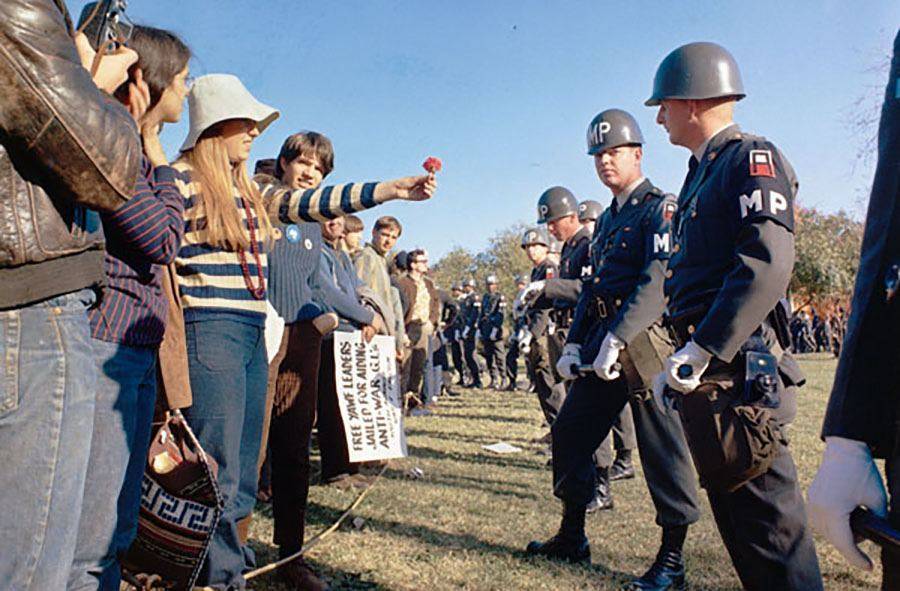
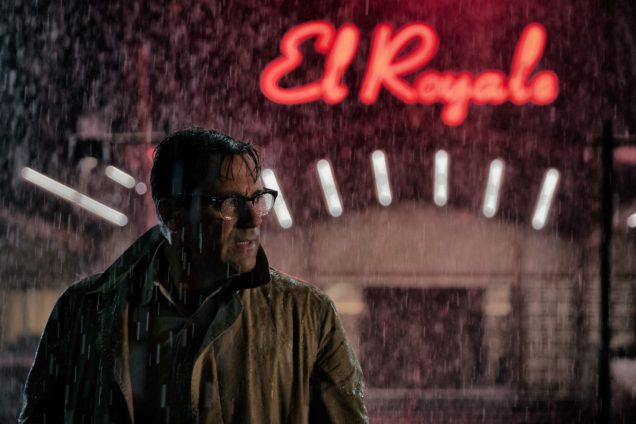 I recently read an interview with a game designer. Among other things, she talked about how, in many computer games, your avatar is often in mortal peril, and how such a situation is not only an option, but the very point of many computer games. You might die, so your main goal is to survive. She called that the stress of dying. I am very much a non-gamer, but I know what she means. Although the drama of life vs. death, whether it be your avatar’s or any other character’s in a game, is higher in a potentially fatal scenario, it might take your attention away from the intriguing story, the elaborate graphics or the well-written characters themselves. Sometimes it’s about exploring and going places, about living in a new universe, not just surviving it. Or about admiring the craft.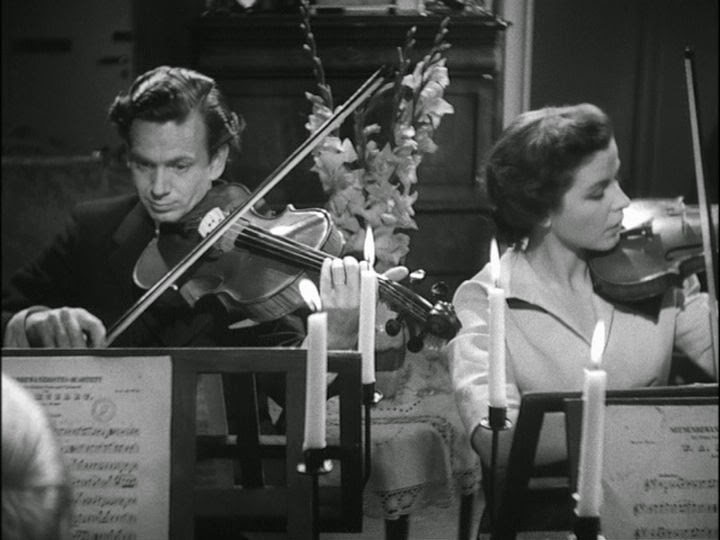
 For the June episode, join your cultural baristas as they discuss The Lives of Others (2006), the Academy Award-winning drama about East Germany in the 1980s, Stasi surveillance, the redemptive power of art and its tragic limitations. When not listening in to the artist couple in the apartment on the floor below, we also talk about Amazon Prime’s adaptation of the near-apocalypse, Good Omens, Béla Tarr equine mood piece The Turin Horse and Richard Powers’ 2003 novel The Time of Our Singing.

 A Damn Fine Cup of Culture